Asphalt surfaces, whether driveways, parking lots, or private roadways, represent a significant investment that homeowners and business owners naturally want to protect for as long as possible. While asphalt is generally known for its durability, this material still requires consistent, proactive care to reach its full potential lifespan rather than deteriorating prematurely due to neglect or improper maintenance. Understanding the specific steps that genuinely extend asphalt's functional life can help property owners avoid the significant expense of premature repaving, making this knowledge a valuable part of responsible property maintenance. This potential longevity underscores just how much value proper care can add over time. According to This Old House, asphalt paving can last 15 to 20 years with regular sealing, illustrating just how significant consistent maintenance can be in maximizing this material's overall lifespan. Below, we'll explore several key strategies for extending the lifespan of your asphalt surface.
Scheduling Regular Sealcoating Applications
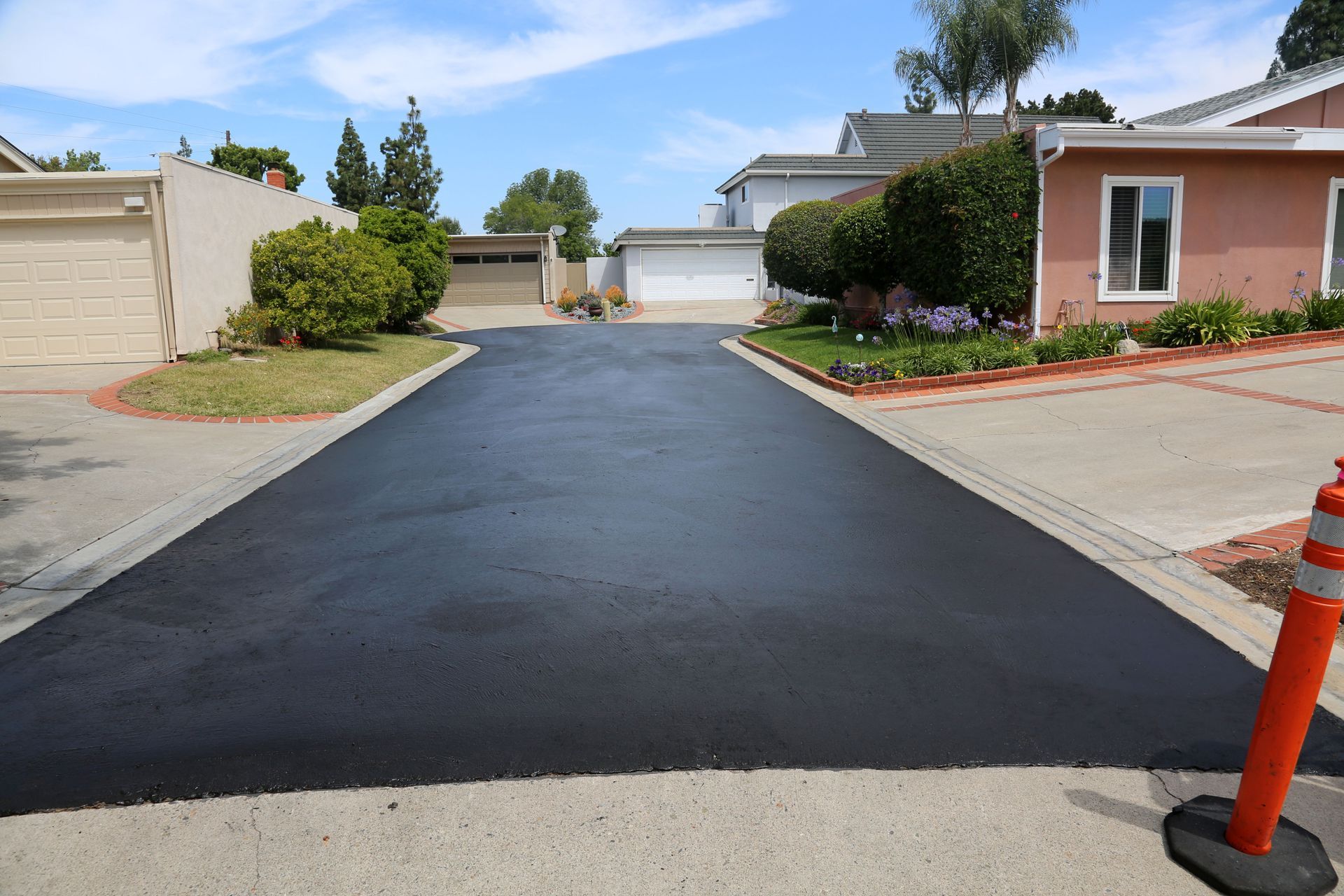
Sealcoating represents one of the most effective, widely recommended maintenance practices for protecting asphalt from the elements, creating a protective barrier against water, UV rays, and the chemicals found in oil or gasoline that can otherwise degrade the surface over time. This protective layer helps prevent the oxidation process that naturally causes asphalt to become brittle and prone to cracking as it ages, essentially slowing down this deterioration significantly. Most asphalt contractors recommend sealcoating every two to three years, though this timeline can vary somewhat depending on climate conditions, traffic volume, and the specific quality of the original asphalt installation. Working with an experienced asphalt contractor helps ensure sealcoating is applied correctly and at the appropriate intervals for your specific surface and usage patterns. This consistent protective maintenance represents one of the single most impactful steps property owners can take toward maximizing their asphalt's overall lifespan.
Addressing Small Cracks Before They Expand
Even well-maintained asphalt surfaces will eventually develop small cracks over time, but addressing these minor issues promptly prevents them from expanding into larger, more structurally significant problems. Water infiltration through even small cracks can quickly worsen the damage, particularly in climates that experience freeze-thaw cycles, since water expands as it freezes, further widening cracks and accelerating deterioration. Regular inspection of your asphalt surface, ideally at least twice yearly, helps catch these small cracks while they remain relatively easy and affordable to repair. A qualified asphalt contractor can properly clean and fill these cracks using appropriate sealant materials, preventing water intrusion and stopping the problem from spreading further into the surrounding pavement. This proactive crack repair represents a relatively small investment that helps prevent significantly more extensive and costly damage from developing over time.
Managing Proper Drainage Around Asphalt Surfaces
Standing water represents one of asphalt's most significant enemies, gradually weakening the pavement structure and accelerating the development of potholes, cracks, and other forms of surface deterioration. Ensuring proper drainage around your asphalt surface, including appropriate grading and functional gutters or drainage channels, helps prevent water from pooling and causing this kind of accelerated damage. Property owners should periodically check for areas where water tends to collect after rainfall, addressing any drainage issues before they contribute to more significant pavement problems. An experienced asphalt contractor can assess your property's specific drainage situation, recommending grading adjustments or additional drainage infrastructure if standing water has become a recurring issue. This attention to proper water management represents a foundational element of asphalt longevity that's sometimes overlooked in favor of more visible maintenance tasks like sealcoating.
Removing Debris and Vegetation Promptly
Leaves, dirt, and other organic debris that accumulate on asphalt surfaces can trap moisture against the pavement, contributing to the kind of gradual deterioration that shortens overall lifespan if left unaddressed for extended periods. Similarly, allowing weeds or grass to grow through existing cracks can further widen these openings, accelerating structural damage and making future repairs more extensive and costly. Regular sweeping or blowing debris off asphalt surfaces, combined with prompt attention to any vegetation growth, represents a simple but effective maintenance practice that supports overall pavement health. This routine cleaning becomes particularly important in areas with significant tree coverage or where seasonal leaf accumulation tends to be substantial. Maintaining this consistent debris management helps prevent unnecessary moisture retention and vegetation-related damage that could otherwise shorten your asphalt's functional lifespan.
Avoiding Excessive Weight and Heavy Vehicle Traffic
Asphalt surfaces are designed to handle specific weight capacities based on their thickness and underlying base construction, meaning excessive weight from heavy vehicles or equipment can contribute to premature cracking, rutting, or structural failure. Property owners should be mindful of parking heavy trucks, equipment, or vehicles exceeding the pavement's intended weight capacity in the same location repeatedly, since this concentrated stress can accelerate surface deterioration significantly. For commercial properties expecting regular heavy vehicle traffic, working with an asphalt contractor during the initial installation or resurfacing process to ensure appropriate thickness and base preparation helps prevent this type of weight-related damage from the outset. Being mindful of this weight consideration, particularly for residential driveways not originally designed for heavy commercial vehicles, helps protect the pavement's structural integrity over time. This awareness of appropriate weight limits represents an important, practical consideration for maximizing asphalt lifespan.
Protecting Against Chemical Spills and Exposure
Oil, gasoline, and other automotive fluids can be particularly damaging to asphalt surfaces, breaking down the binding agents that hold the pavement together and creating soft spots that deteriorate more quickly than the surrounding material. Promptly cleaning up any spills, using appropriate absorbent materials and cleaning products, helps minimize this chemical damage before it has the chance to significantly compromise the pavement's integrity. For properties with regular vehicle maintenance activities or higher traffic from older vehicles more prone to minor leaks, additional protective sealcoating specifically formulated to resist chemical exposure might be worth discussing with your asphalt contractor. This attention to chemical exposure represents an often overlooked but genuinely important factor in maintaining asphalt's structural integrity over its expected lifespan. Addressing this risk proactively helps prevent the kind of localized deterioration that chemical exposure can otherwise cause relatively quickly.
Working With a Trusted, Experienced Asphalt Contractor
Perhaps the most important overall strategy for extending your asphalt's lifespan involves establishing an ongoing relationship with a knowledgeable, experienced asphalt contractor who can provide consistent, professional maintenance recommendations tailored to your specific surface and usage patterns. This professional partnership helps ensure maintenance tasks like sealcoating and crack repair are performed correctly and at appropriate intervals, rather than relying on generic guidelines that might not account for your property's specific conditions. A trusted asphalt contractor can also help identify emerging issues during routine maintenance visits, catching potential problems before they develop into more significant, costly repairs. This ongoing professional relationship represents a valuable investment in protecting your asphalt surface, helping ensure you achieve the maximum possible lifespan from this significant property investment. Prioritizing this kind of consistent, professional partnership ultimately supports every other maintenance strategy discussed throughout this article.
At TruSeal America, we understand how much of an investment a quality asphalt surface represents, and we're committed to providing the thorough, reliable maintenance services needed to help you maximize its lifespan for years to come. Our experienced team specializes in sealcoating, crack repair, and comprehensive asphalt maintenance, helping property owners protect their pavement investment through proactive, professional care. We believe that consistent maintenance is one of the smartest financial decisions property owners can make, helping avoid the significant expense of premature repaving. Whether you need routine sealcoating or have noticed early signs of asphalt damage, our knowledgeable team is here to help every step of the way. If you're ready to extend the lifespan of your asphalt with a trusted
asphalt contractor, contact TruSeal America today to schedule your consultation.