August 4, 2026
Discover critical factors like drainage, traffic load, and Minnesota weather for a long-lasting lot.
What Should You Consider When Installing a New Asphalt Parking Lot?
Installing a new asphalt parking lot is a major investment for commercial and multi-family properties in Minneapolis.
Long-term performance depends on more than the asphalt itself. Factors like drainage, traffic volume, weather conditions, and pavement design all affect lifespan and maintenance costs.
Here are the key considerations before your project begins.
How Does Minnesota's Weather Affect Your New Asphalt Installation?
Minnesota’s climate puts constant pressure on parking lots, which makes proper installation critical for long-term performance.
● Freeze-thaw cycles cause damage: Water beneath the surface freezes, expands, and creates frost heave that leads to cracking.
● Strong preparation protects pavement: Deep compaction, proper grading, and effective drainage help prevent moisture-related failure.
● Timing affects results: Installing asphalt during warm, dry conditions supports proper bonding and reduces early wear.
A durable parking lot starts below the surface. When drainage, subgrade preparation, and installation timing are handled correctly, your pavement is built to withstand Minnesota’s seasonal conditions for years to come.
How Traffic Volume Impacts Commercial Asphalt Design
A retail center in Bloomington sees completely different traffic patterns than a quiet HOA community in Plymouth. Before work begins, a proper site assessment determines how thick the asphalt layers need to be.
Heavy delivery trucks, garbage haulers, and constant daily traffic require a thicker, heavy-duty base layer to prevent sagging and rutting.
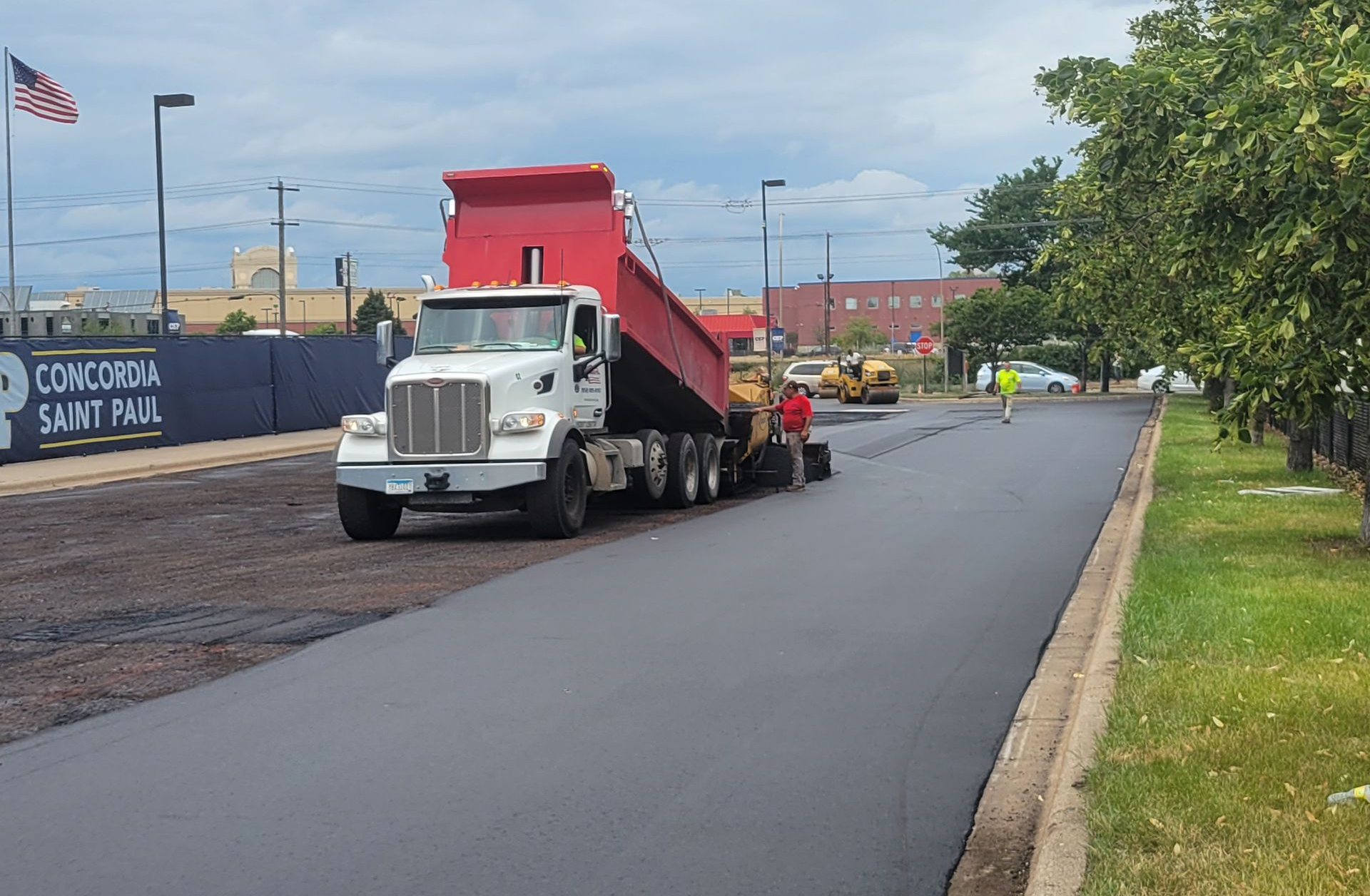
For shared residential communities, managing the installation schedule is just as critical as the thickness of the pavement. A reliable contractor breaks the project into distinct phases.
This approach allows residents to find alternative parking and ensures garbage collection or emergency services can still access the property without total disruption.
Clear communication during phased construction helps property managers reduce disruption and keep residents informed throughout the project.
Mill and Overlay vs Full Asphalt Replacement: Which Option Fits Your Property?
You do not always need to replace your entire parking lot. The right repair depends on the condition of the surface and the strength of the base underneath.
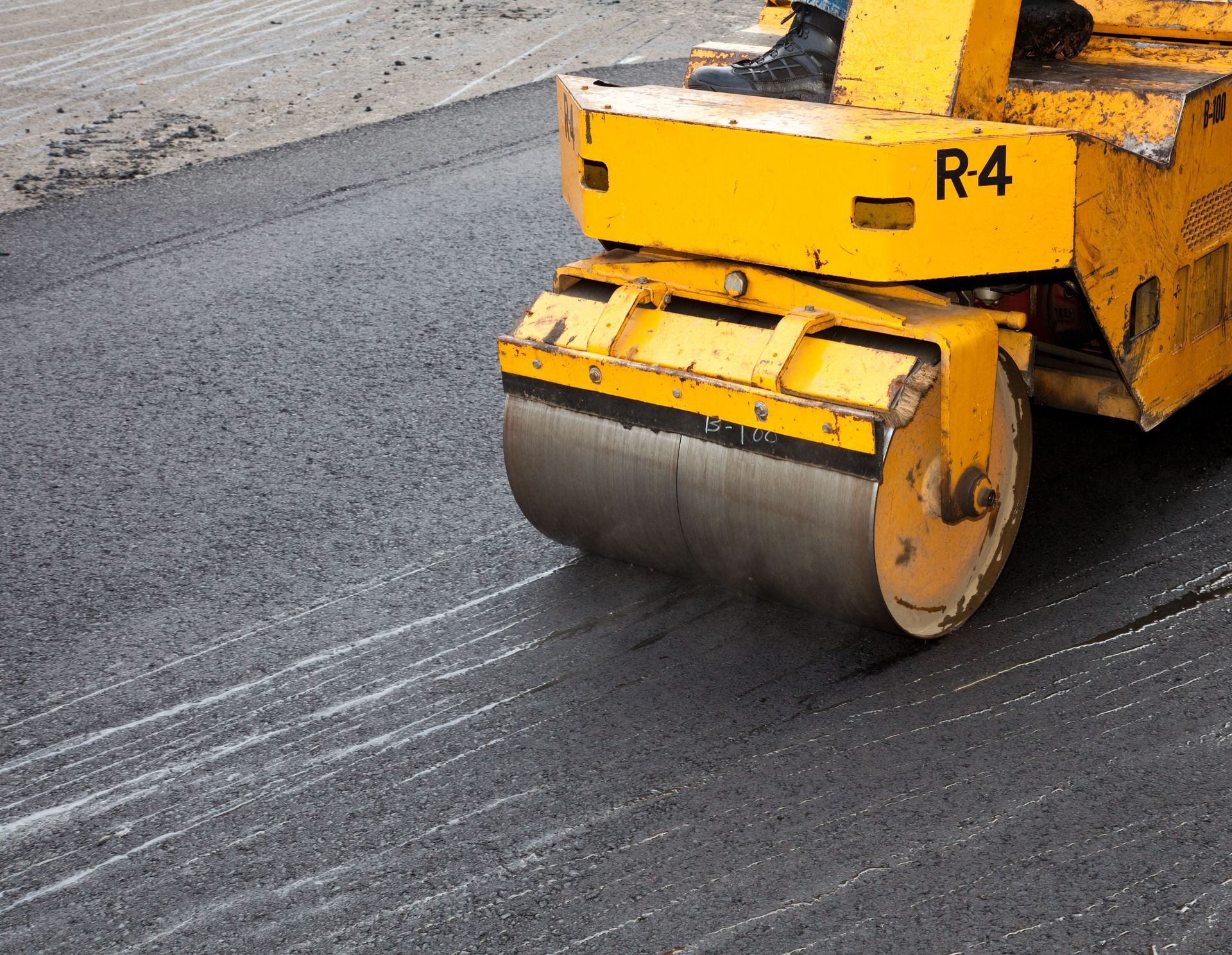
● Mill and overlay: Remove the worn top layer and install new asphalt over a stable foundation. A cost-effective option when the base remains intact.
● Full replacement: Best for severe deterioration or base failure. This includes removing existing pavement, repairing the subgrade, and installing new asphalt layers.
● Targeted patching: Repair isolated damaged areas to extend pavement life and delay larger capital investment.
A mill and overlay can reduce project costs significantly, but only when a professional paving assessment confirms the underlying base is stable, dry, and structurally sound.
Why Drainage Matters Before Asphalt Installation
Proper drainage protects your parking lot from standing water, erosion, and premature pavement failure.
● Prevents water from weakening the subgrade
● Reduces freeze-thaw damage
● Directs runoff into catch basins and drainage systems
Correct grading and drainage planning help extend pavement life and reduce future repair costs.
Why Parking Lot Striping Matters After Asphalt Installation
Fresh asphalt is only part of a successful parking lot installation. Professional striping improves traffic flow, supports accessibility requirements, and helps your property operate safely from day one.
Because of local temperature shifts and heavy winter snowplowing, the type of paint used matters immensely. High-quality, durable paints are required to bond with the fresh asphalt and withstand the scraping of plow blades.
Clear layout lines protect your residents, reduce liability, and maximize the number of available parking stalls for your community.
Compliance with the Americans with Disabilities Act is another major consideration. Your layout must include the correct number of accessible stalls, specific van-accessible spaces, and clearly marked access aisles. Getting these details right during the initial design prevents costly repainting fees later.
Talk to the TruSeal America Team
Schedule an on-site evaluation with TruSeal America to assess pavement condition, review drainage performance, and determine whether patching, overlay, or full replacement makes the most sense for your property.
They have been serving the Greater Twin Cities for over 25 years.
Asphalt Paving FAQs
How long does a new commercial asphalt parking lot typically last in Minnesota?
With professional installation and regular maintenance, a new parking lot can last fifteen to twenty years. Regular sealcoating and immediate crack filling help protect the surface from harsh winter damage.
How long must cars stay off the new pavement after installation?
Vehicles should stay off the fresh asphalt for at least twenty-four to forty-eight hours. In hotter summer weather, the curing process takes slightly longer, so keeping traffic away ensures the surface sets perfectly without tire marks.
What is the best time of year to pave a parking lot in the Twin Cities?
The ideal paving season runs from May through October when temperatures remain consistently warm. Asphalt requires warm ambient temperatures to compact properly before it cools down.
Can you install new asphalt over existing pavement?
Yes, in some cases new asphalt can be installed over existing pavement through a mill and overlay process. This option works when the underlying base is still stable and drainage issues are not present. If the pavement has structural failure, deep cracking, or a weakened foundation, full replacement is usually the better long-term solution.
How do I know if my lot needs resurfacing or replacement?
The right solution depends on the condition of both the pavement surface and the foundation underneath. If your parking lot has minor cracking, surface wear, or fading but the base remains stable, resurfacing through a mill and overlay may restore performance at a lower cost. If you are seeing widespread cracking, drainage issues, potholes, soft spots, or areas that continue to fail after repairs, full replacement may be the better long-term investment.